The world of logistics and supply chain management is changing, and technology plays a vital role in this evolution from traditional operations. The application of Computer Vision in transportation is, no doubt, the most revolutionary among these technological advances. AI object detection and recognition have the power to transform the delivery business completely. They offer so many significant advantages that any business with enough foresight to invest in this tech now is sure to beat their competitors by a mile, even in current volatile conditions.

In today’s article, we will share exactly how to use Computer Vision in logistics and transportation businesses to draw the most value from your investment.

What Is Computer Vision and How Does It Work?

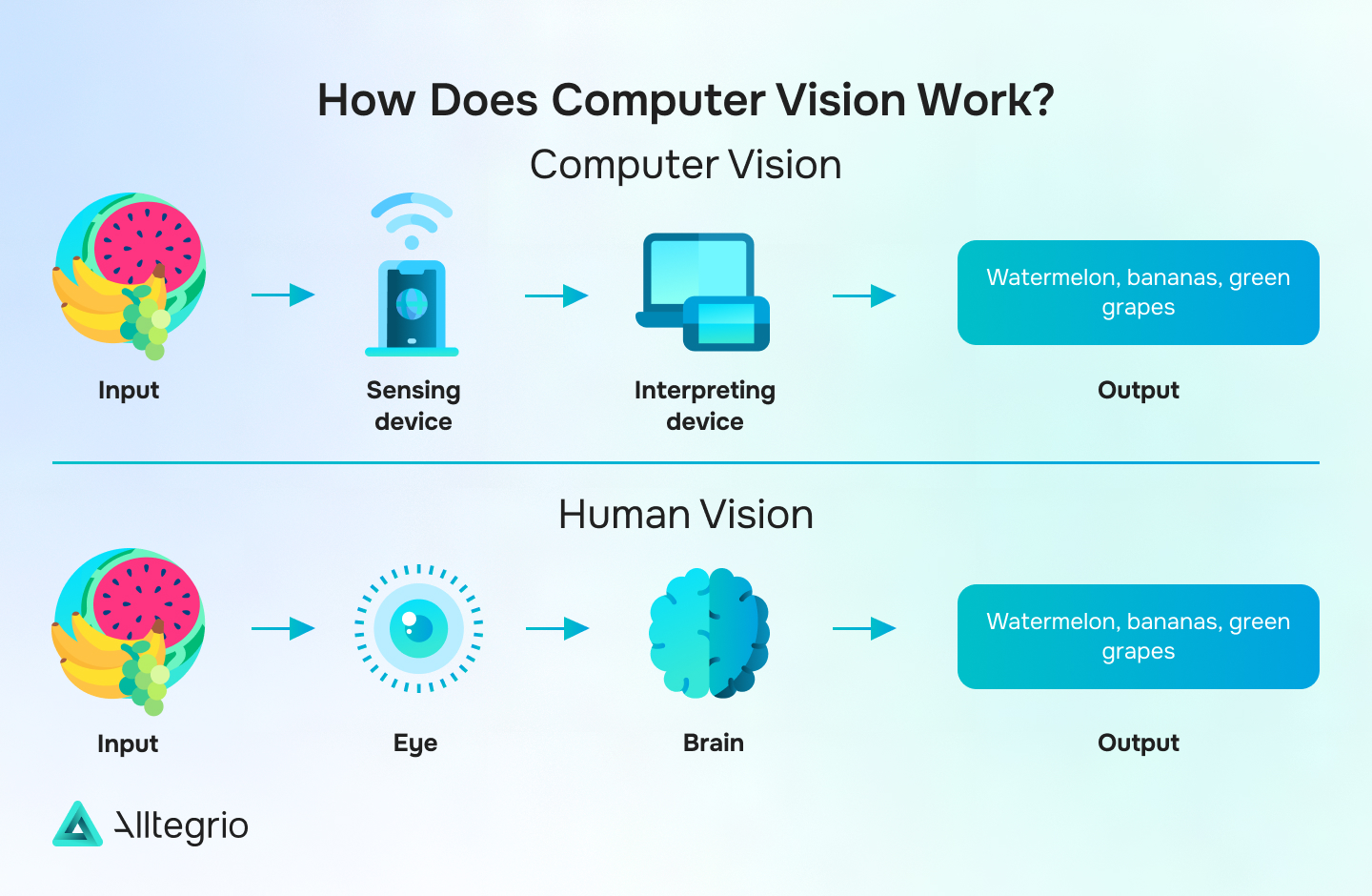
Computer Vision is a sub-area of Artificial Intelligence technology. Simply put, it’s the type of tech that allows computers to understand visual information. These techniques are based on AI object detection and recognition. They are powered by Image Processing, Machine Learning, and Pattern Recognition. The core objective of applying AI object detection in transportation is to emulate human visual perception and let intelligent systems analyze and identify patterns, objects, and actions.

Computer Vision in transportation is driven by algorithms that can process images and videos. These algorithms transform the visual input into numerical data that can be further analyzed to understand the contents of the images. Employing Deep Learning methodologies, especially CNNs, makes detecting and classifying objects within the reach of computer vision systems with great accuracy.

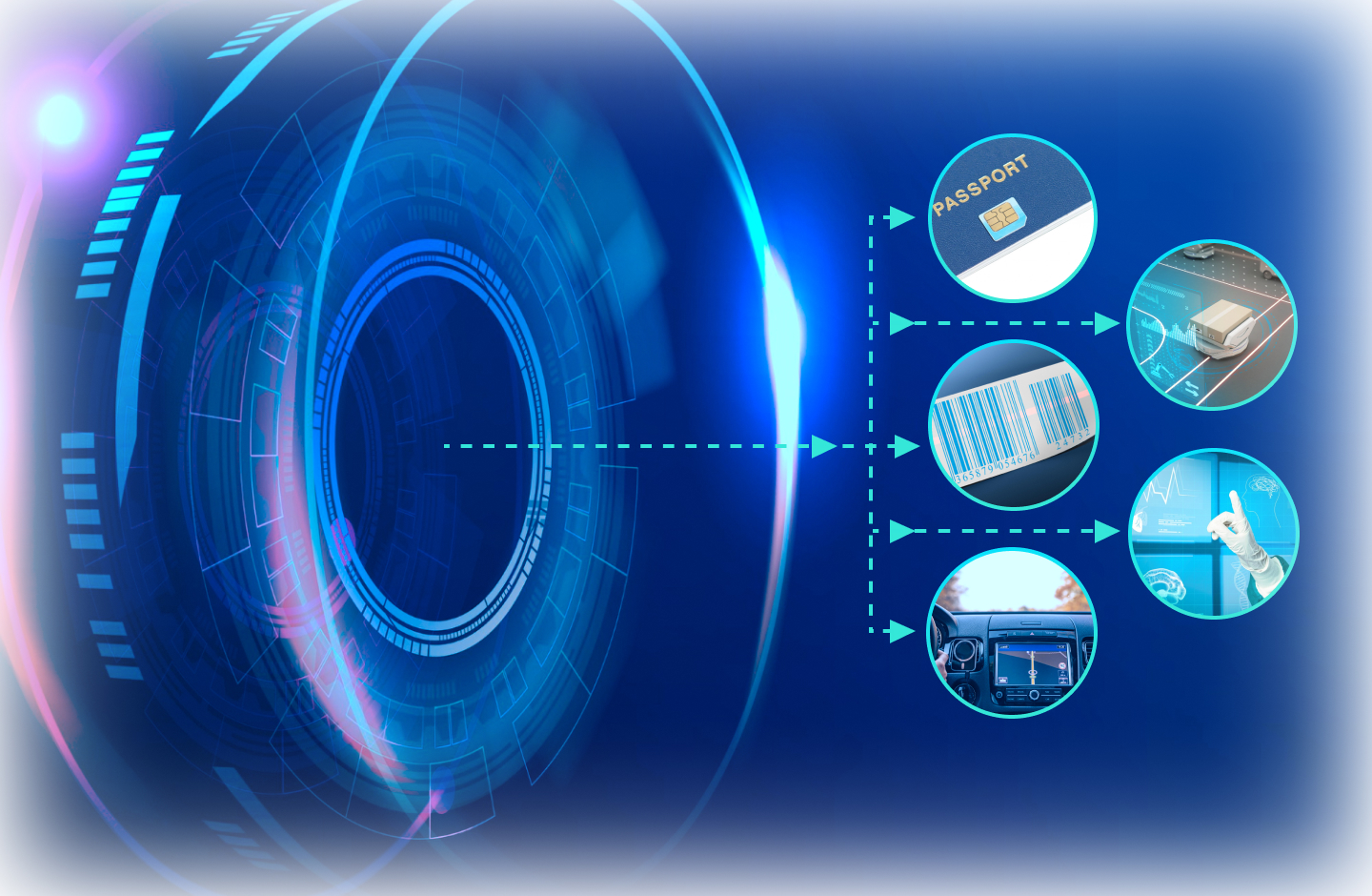
The most interesting application of Computer Vision for delivery is in the domain of autonomous vehicles. The vehicle relies on sensors and computer vision algorithms for safe navigation. Cameras mounted on the vehicle capture real-time images, which are then processed to identify road signs, pedestrians, and other vehicles. The information is then used for making split-second decisions that guarantee the safety of passengers and pedestrians. Moreover, advancements in computer vision have improved other important features, such as lane detection and obstacle avoidance, necessary for a fully autonomous driving system.

Alltegrio has experience developing systems like this one, which uses AI object recognition to increase driver safety. We combine Computer Vision development with extensive Data Annotation to create a solution that keeps both the driver and cargo safe. Moreover, delivery companies can use data collected by these systems also for added security and to investigate any incidents if they occur.

block-image

How Computer Vision Improves Package Sorting and Handling?

One key application of Computer Vision for delivery operations is optimizing package sorting and handling processes. Due to the high volume of packages passing through distribution centers, manual sorting leads to inefficiencies and errors.

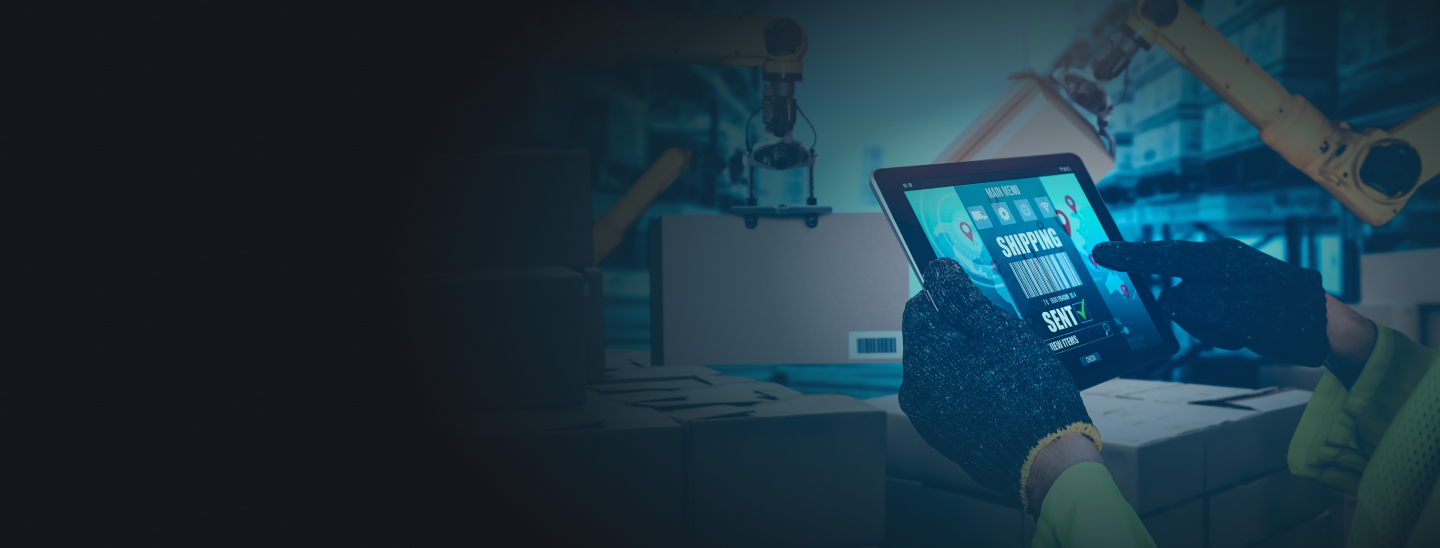
AI visual recognition technology can scan and identify the packages with the help of a Computer Vision system that comprises cameras and enhanced image processing algorithms. It measures the dimensions, reads barcode information, and checks the conditions for sorting the package appropriately to the conveyance systems using the sorting systems.

Additionally, automated sorting reduces manual handling of packages, significantly reducing damage occurrence. Optimizing the sorting speed enables delivery companies to handle more packages within a certain period, increasing their productivity and customer satisfaction.

Besides improving efficiency, implementing Computer Vision for delivery companies is crucial for real-time monitoring and analytics. Based on package flow data, collecting data about sorting accuracy enables the detection of bottlenecks and the possibility of realizing potential improvements for logistics companies. Therefore, AI object detection tech offers both immediate benefits for process optimization and long-term value for business growth.

Besides, if the Computer Vision system is integrated with Machine Learning algorithms, then over time, it may become more accurate at recognizing packages. The more data it is exposed to, the better it can learn to identify a package accurately, adapting to variations in packaging designs or labeling formats. This adaptability not only boosts sorting accuracy but also helps maintain a seamless workflow, ultimately contributing to a more reliable delivery service that meets customers’ evolving demands.

For more information on how AI object recognition data can be used for boosting your logistics business, read this article.

block-image

How Computer Vision Enhances Delivery Vehicle Route Optimization?

Route optimization is the most critical link in the whole logistics chain. Delays always result in increasing costs and decreased customer satisfaction. Computer Vision for delivery solutions considerably contributes to route optimization by deploying real-time data captured from cameras attached to the delivery vehicles. The tech allows the solution to review road traffic conditions, monitor road obstructions, and analyze the impact of weather on traffic. Then, it analyzes that information dynamically to modify the delivery route of each vehicle to avoid traffic jams and reach the exact destination on time.

An object detection model integrated with GIS enables delivery companies to plan routes with Predictive Analytics. Such advanced routing mechanisms increase efficiency and reduce fuel consumption, making operations more sustainable.

Additionally, by scanning the surroundings, AI object detection technology could also enable the identification of optimal loading and unloading zones. It helps drivers locate the ideal place for parking without wasting their time. Furthermore, using landmark and street sign recognition, the system may supply information to the drivers about what they are passing close by, showing them businesses and potential hazards, hence elevating situational awareness during the delivery.

Moreover, applying Machine Learning algorithms together with AI object detection in transportation improves route optimization strategies. As long as the system keeps collecting data over time, it learns from past delivery patterns and makes better predictions. The iterative process leads to better route planning and helps anticipate potential disruptions, such as construction projects or seasonal traffic fluctuations, hence a resilient logistics operation.

AI Delivery Route Optimization

Cut costs, reduce the risk of delays, and ensure all your deliveries come on time and with minimal risks. Contact Alltegrio to develop AI-powered tools that will help you achieve that and more.

Contact Us

How Computer Vision Improves Last-Mile Delivery?

Last-mile delivery has long been considered the most complicated part of logistics due to its complexity and need for high precision. AI visual recognition has emerged as a powerful tool for tackling these challenges.

The application of Computer Vision in transportation lets delivery firms create enhanced tracking systems to monitor every package’s journey through the last mile. Therefore, they can ensure precise location tracking of packages, minimizing their possibility of getting lost or misplaced.

Using AI object detection in transportation also enhances the recognition of delivery locations. Drivers can identify correct addresses with accuracy and speed, even in heavily populated urban areas. Consequently, this feature decreases delivery time and enhances customer satisfaction since deliveries come at the right time.

Another innovative invention is automated last-mile delivery in supply chain optimization. It relies on integrating drones and autonomous vehicles powered by Computer Vision solutions. These systems use real-time image processing to navigate congested areas, bypass obstacles, and maintain optimal routes. The visual data allows them to review traffic conditions and dynamically alter their track, which, besides increasing efficiency, also economizes fuel and reduces operational costs.

Moreover, applying Computer Vision for delivery can increase package security. Delivery personnel can identify authentic receivers using custom face recognition technologies and hand the packages to the right people. This added layer of security is particularly important in high-value deliveries where the risk of theft or fraud is considerable.

What are the Benefits of Computer Vision for Delivery Companies?

Implementing Computer Vision in transportation solutions can provide the following key benefits:


Efficiency boost Reduction in human errors during package processing and route planning processes increases logistics business efficiency by default.
Faster deliveries Efficiency optimization leads to reducing the time routine processes take, allowing you to deliver packages faster and with fewer issues.
Delivery tracking AI object detection and recognition enable you to track packages more effectively to ensure that they are safe and in prime condition upon reaching the destination.
Cost savings Route optimization results in lower fuel costs and issues associated with delays and poor route planning. You also reduce labor costs via automation. In addition, integrating an object detection model into your logistics systems can be a part of a preventative maintenance solution that helps avoid costly vehicle breakdowns.
Customer satisfaction Computer Vision in transportation solutions can enable your clients to track packages in real-time and ensure they get those packages faster and at a lower cost. This is sure to result in higher customer satisfaction and loyalty.
Driver safety AI visual recognition technologies can be part of Advanced Driver Safety Systems, which help reduce the risk of accidents and keep your employees and fleet safe.
Delivery time predictions Computer Vision technology enables analytics that can project the time for delivery with increasing precision through the use of historical data and real-time flow on highways. This allows companies to dynamically adjust to ensure packages truly arrive on time. 
Inventory management Computer Vision and AI can be instrumental in warehouse inventory management. By using cameras and image recognition algorithms, a company can track stock levels in real-time, identify misplaced items, and reduce the time taken for inventory audits.

What are the Challenges in Implementing Computer Vision in Delivery Operations?

While there are many benefits to implementing Computer Vision in transportation solutions, there are some challenges to it as well, including:

  • High Initial Investment
    Using Computer Vision for delivery requires a big investment in hardware, software, and personnel training.
  • Data Privacy Concerns
    Collecting and processing visual data can cause customer privacy concerns and regulatory issues.
  • Technical Complexity
    Integrating AI visual recognition systems with legacy logistics frameworks poses technical difficulties and requires specialized skills and instruments. To accommodate this level of technology, you might need to completely redo the traditional system.
  • Dependence on Data Quality
    The quality and consistency of input data must remain high at all times to allow for accurate information processing and subsequent actions and insights.
  • Rapid Technological Changes
    This could lead to companies being caught up in continuously upgrading their systems as new algorithms and hardware are being developed. Besides added costs, this is a resource-intensive process because the staff continuously needs training and adaptation.
  • Environment Dependency
    Environmental factors affect the performance of hardware used in AI object detection systems. They are unpredictable and can greatly affect the system, for example, due to poor visibility in fog.

How Computer Vision Addresses Security and Privacy Concerns in Delivery?

Security and privacy concerns must be addressed when using Computer Vision for delivery operations. The best practices that ensure the protection of customer data include:

  • Using advanced encryption protocols during data transmission and storage to protect sensitive visual information. Data processing can be anonymized to reduce risks with personally identifiable information.
  • Companies can establish clear communication with customers regarding the use of Computer Vision technologies. Transparency about data collection methods and purposes can help build trust and foster customer acceptance of these practices.
  • Scheduled audits and reviews of AI visual recognition systems are critical to maintaining high security standards. Companies may notice possible weaknesses ahead of time during regular evaluations. 
  • Robust access control further ensures data access to authorized staff and reduces the cases of internal breaches.
  • Integrating ethical guidelines into the deployment of Computer Vision technologies is a must. Setting up a framework that prioritizes ethical considerations will help companies navigate the complex landscape of privacy laws and regulations.

By adhering to these guidelines, organizations can demonstrate their commitment to responsible data usage, which can resonate positively with consumers increasingly concerned about their privacy rights. 

Computer Vision for Delivery Companies

Learn how to use AI visual recognition technologies to protect your drivers, fleet, and cargo. Maximize your revenue in these volatile times with the power of AI.

Book a Consultation

What Are the New Trends in Computer Vision for Delivery Companies?

Due to recent technological advancements, Computer Vision is growing in several directions. The most important trends to look out for in AI visual recognition tech include:

  • Integration with Powerful AI and Machine Learning Models
    Stronger algorithms combining AI and Computer Vision improve object detection and decision-making.
  • Application of Drones and Autonomous Vehicles
    Computer Vision plays an essential role in building autonomous delivery systems- drones operating by their visual navigation.
  • Augmented Reality
    AR applications started getting researched for package identification and navigating them to their ultimate destination as a refinement for last-mile delivery.

Among these, the most profound development is taken to be AI combined with computer vision, hence enhancing not just object detection but also analysis of data in real-time. That means logistics companies can better predict exactly when things will be delivered, round out routes, and pinpoint potentially problematic areas to make operations more efficient. For instance, AI algorithms will study traffic patterns and weather, adjusting the delivery routes dynamically to avoid congestion. This level of adaptability is vital in a high-speed environment where customers’ demands for timely deliveries increase continuously.

How Can Delivery Companies Partner with Computer Vision Experts to Drive Innovation?

Strategic partnerships between delivery companies and experts in Computer Vision technology will help them keep pace with the changing landscape. Such partnerships can help in knowledge transfer and bring about innovation, coupled with implementing solutions using cutting-edge technology.

Aligning companies with developers specializing in Computer Vision in transportation provides you with insights into navigating some of the challenges of integrating new technologies into your current frameworks.

Delivery companies could share insights and resources to tap into external expertise to enhance their operational capabilities and customer service. For example, partnerships with universities may lead to research projects in collaboration that advance technology while providing applications in the real world. In addition, these collaborations can spur innovation, where ideas can be tried and refined in a non-threatening environment.

Should Delivery Companies Invest in Computer Vision Tools Today?

The transformative potential of Computer Vision in transportation is immense. Despite some challenges, the benefits of this investment far outweigh the risks. From tracking packages and sorting to even last-mile delivery with minimal human interference and at incredible speeds, companies can automate most processes using Computer Vision technologies.

Since the market has become increasingly inclined toward technology, embracing Computer Vision for delivery companies gives you a competitive edge, streamlines processes, and yields better service delivery. Even better, integrating Artificial Intelligence with Computer Vision could build further on Predictive Analytics, whereby the companies can forecast customer needs and optimize real-time delivery routes.

If you want to capitalize on these benefits as soon as possible, fill out the form below and set up a free consultation.

For more information about the value of using AI in logistics, download our free e-book.

Subscribe to our blog!