Overview
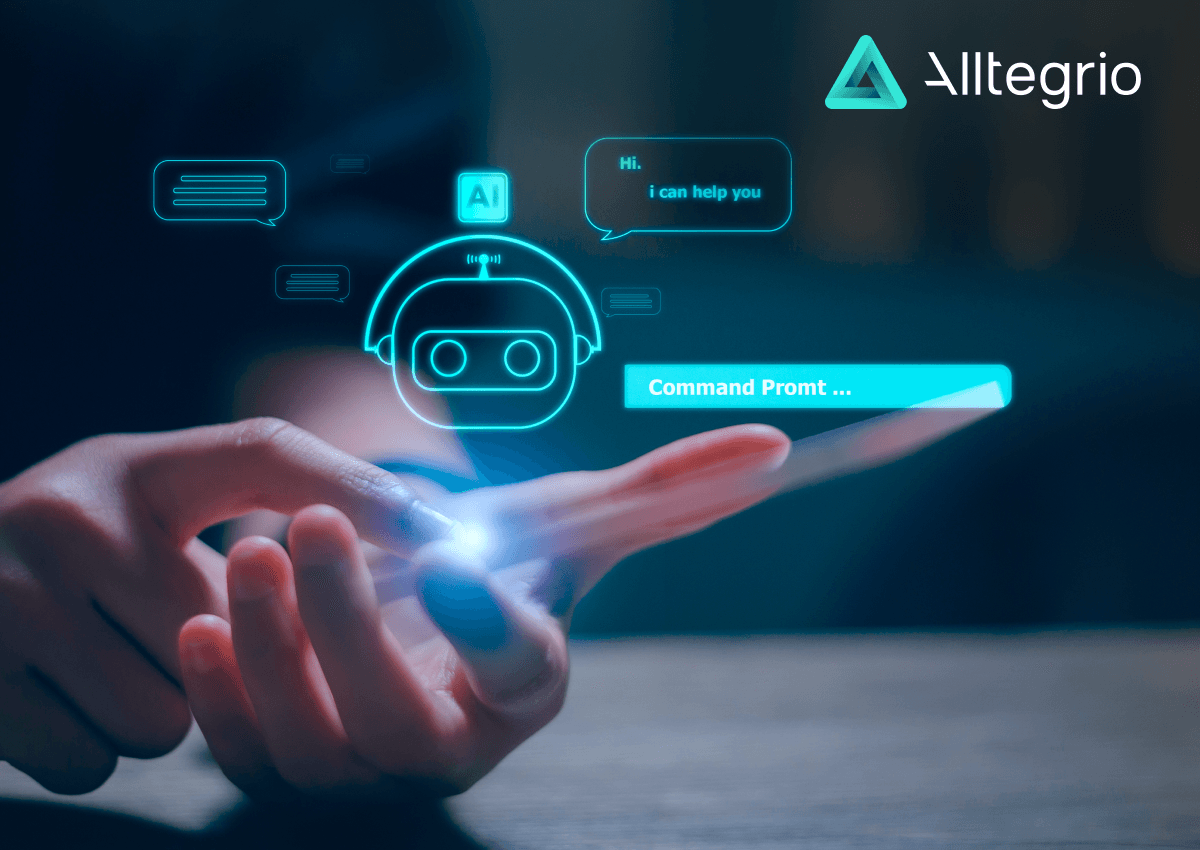
A European company wanted its customer inquiries answered faster and more consistently. The knowledge needed for good answers was spread across product manuals, the history of support tickets in the CRM and customer records. We built a generative AI bot that finds the relevant information in these sources and drafts helpful answers. The project also included a Shopify app for the client and the integration of the chatbot into it.
Solution
The Q&A bot answers customer questions with the knowledge of an experienced support specialist. For each question it retrieves passages from product manuals, resolved CRM tickets and the relevant customer records, and writes the answer from them. The bot interprets the customer's question, finds the matching sources and returns a relevant answer quickly.
Technology Stack
Features
- Natural language processing of customer questions
- Retrieval from the client's knowledge sources
- Answers generated from the retrieved passages
- Availability around the clock
- Integration with the client's existing systems
- Shopify app development

Outcome
The bot supports several groups of staff: customer service representatives, field technicians and sales engineers. Routine questions get an answer quickly, from the same sources the team itself would use, and staff have more time for complex cases. When the bot is not confident in an answer, the question goes to a person.
project timeline
knowledge sources: product manuals, CRM ticket history, customer data
specialists on the team
How We Build Support Assistants Over Company Knowledge
A support assistant is only as good as the knowledge it can reach. Manuals, past tickets and CRM records are written for different readers, in different formats, and often disagree with each other. We build these assistants around that knowledge layer:
- Ingestion and cleaning. Manuals are split by product and section. Resolved tickets are stripped of personal data and turned into question and answer pairs. Every chunk keeps its source, product and date.
- Retrieval. Hybrid search, keyword plus semantic, runs over PostgreSQL with pgvector or a vector database. Filters by product, model and region keep answers about one product from leaking into another.
- Answering. The model answers only from retrieved passages and shows its sources. When retrieval finds nothing relevant, the assistant says so and hands over to a person.
- Actions. Order status or warranty checks go through tools with narrow permissions, exposed through MCP where it fits.
- Evaluation and tracing. Today we orchestrate the flow with LangGraph and trace every conversation in LangSmith. A test set built from real tickets runs on every change.
The product layer, such as a store app or an agent console, is built in TypeScript with Next.js and Node.js.
Where Support Bots Go Wrong
Most failures of support bots are retrieval failures. The model answers from the wrong manual version, mixes two similar products, or repeats a workaround from an old ticket that no longer applies. Other common problems are answers that sound certain when the source is ambiguous, and no clear path to a human.
We treat these as engineering problems. Retrieval quality is measured separately from answer quality, so a bad answer can be traced to its cause. Old tickets expire unless a person confirms them. Low-confidence answers go to staff as drafts instead of to customers.
Assisting staff is often the best first step. In a study of 5,179 customer support agents, published as Generative AI at Work, access to an AI assistant raised the number of issues resolved per hour by 14% on average and by 34% for novice and less experienced agents. The authors explain the gap by the assistant passing on the practices of the most skilled agents to newer ones.
Related reading: our chatbot development services and enterprise knowledge assistants pages.