Business Problem
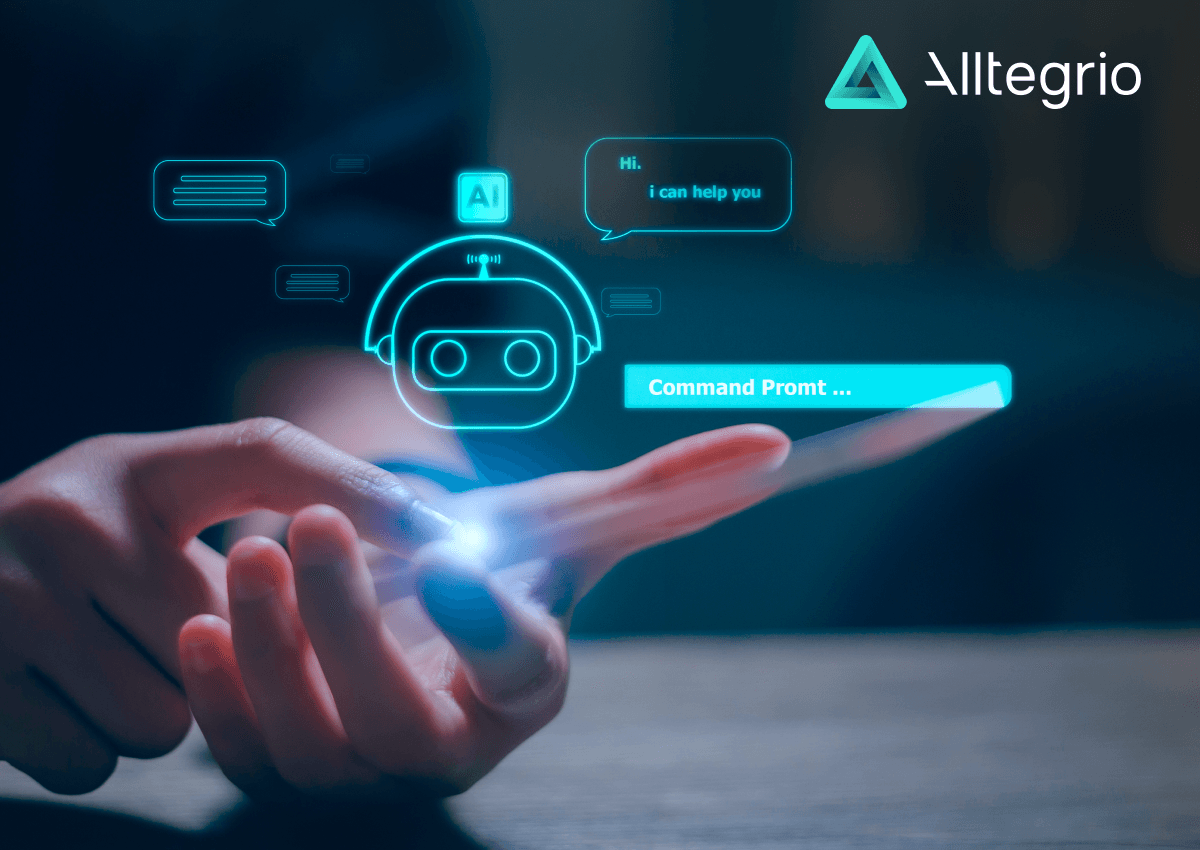
Our client, a telecom company in Japan, asked our dedicated team to build a mobile app around an interactive chatbot with a distinctive character. The character had to give the company's customers a reason to come back to the app and talk to it.
Solution
We built an iOS application with a chatbot powered by the ChatGPT API and a 2D animated character inspired by Tamagotchi. The character chats with users, learns new words they teach it and reacts to what happens in the app.
Technology Stack
Features
- User profile
- 2D animated character
- Chat bar
- Vocabulary mode
- Push notifications
- Teaching the character new words
- Free and paid subscription

How It Works
At the center of the application is a chatbot powered by a GPT model. It works as a conversation partner and a virtual assistant, and it speaks through an animated 2D character with a friendly, upbeat personality.
The application also has a home page, a chat interface driven by the ChatGPT model, a vocabulary mode and a user profile module.
In the vocabulary mode users teach the character new words. The server stores these words for each user and brings them into later conversations, so the character changes with the person who uses it.
The animated character reacts to the time of day and to touch.
Push notifications tell users about news and events in the app.
Business Value
The app gives the telecom company a friendly, branded way to stay in touch with its customers. The character, the vocabulary mode and the notifications give users reasons to return, and the free and paid subscription tiers give the company a way to earn from the most engaged users.
How We Build Character-Driven Assistants
A chatbot with a personality is a product design problem as much as a model problem. The character has to stay the same character after a thousand conversations, remember the user, and never say something the brand would regret. We build such assistants in layers:
- Persona layer. The character's voice, mood and boundaries are written as a tested specification, not a single prompt. A regression set of conversations checks that the persona holds when the underlying model is updated.
- Memory. What the character learns from a user, such as new words in a vocabulary mode, is stored per user outside the model and retrieved into each conversation. The user can see and reset it.
- Safety and moderation. Input and output filters, topic limits and an escalation path. For a consumer app in a regulated market these are requirements, not options.
- Latency. Responses stream to the client so the avatar reacts while the answer is still being generated. Routine turns go to a small, fast model; only complex ones reach a large model.
- Orchestration and monitoring. Today we build this layer with LangGraph and trace every conversation in LangSmith, which makes persona drift and cost per conversation visible from the first day.
The mobile client stays native, and the back end is a TypeScript service that the same team can extend to web and other channels.
Why Retention Is the Hard Part
Getting users to try an AI character is easy. Keeping them is not. Adjust's 2026 benchmark puts day-one retention for general AI apps at 9.3%, and RevenueCat's subscription data shows users cancelling AI app subscriptions about 30% faster than non-AI ones.
The features of this app address the problem that this 2026 data describes. The character reacts to the time of day and to touch, so there is a reason to open the app without a question in mind. The vocabulary mode gives users visible progress: the character changes because of them. Push notifications bring people back to something that has moved on since their last visit. The design goal is a character people come back to, because novelty alone does not hold an audience.
Related reading: our chatbot development services and ChatGPT development pages describe how we approach assistants for customer-facing products.
animated character that reacts to time of day and touch
subscription tiers: free and paid
specialists on the team